Grease traps and local food service businesses
In View Park-Windsor Hills, southwest of Glendale, kitchens may have a small indoor trap or an in-ground interceptor. Both hold wastewater long enough for grease to rise, while food solids settle. If that material stays in the unit too long, it can obstruct the outlet and make cleanup harder.
Look under the sink or for a floor cover to identify an indoor trap and ask about grease trap pumping. An in-ground interceptor is accessed through covers, with larger units emptied by vacuum truck. Call about grease interceptor pumping and ask a provider serving View Park-Windsor Hills how kitchen use and local requirements affect the service schedule.
Grease trap services in View Park-Windsor Hills, CA
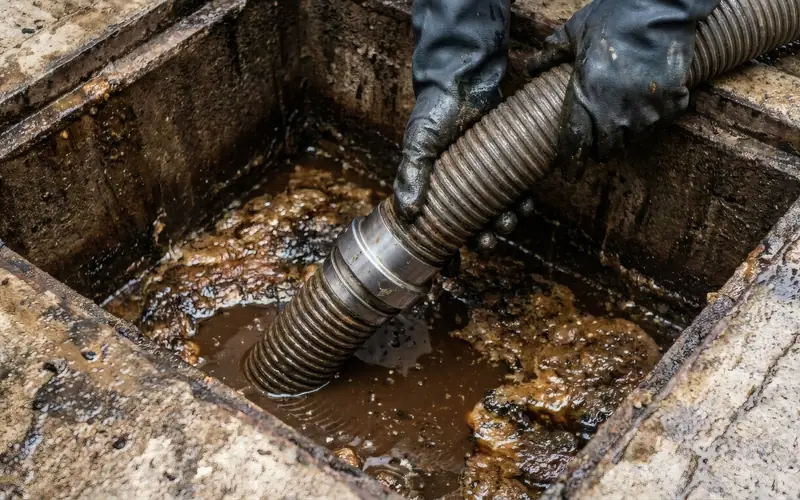
Grease Trap Pumping
An indoor trap is often small; an interceptor is typically buried outside. For the trap, pumping concentrates on taking out collected material, whereas cleaning also addresses residue on interior surfaces. Arrange grease trap pumping when grease and food scraps have accumulated and the unit needs emptying.
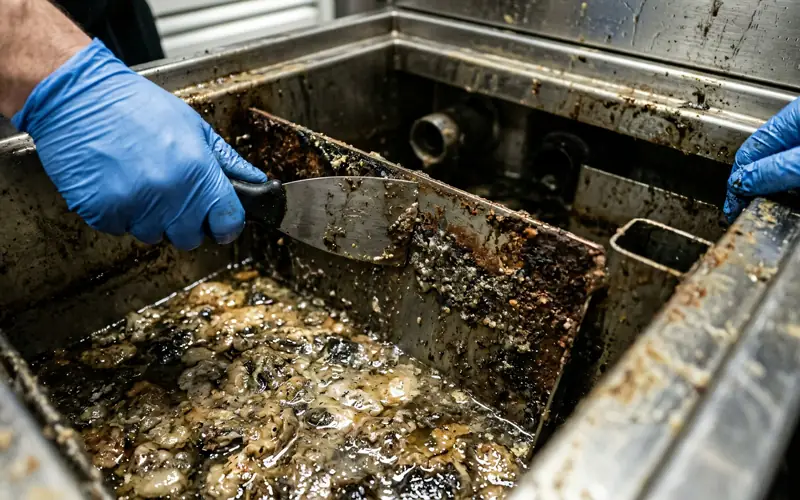
Grease Trap Cleaning
Cleaning a trap usually combines removal of its contents with clearing reachable surfaces, including the baffle. Consider grease trap cleaning if a greasy coating remains after emptying. Material clinging near the outlet can make it harder for wastewater to move through the unit.
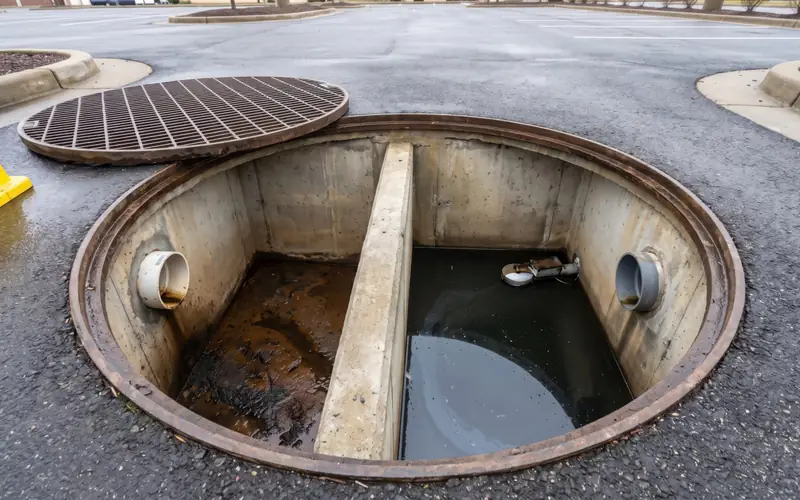
Grease Interceptor Cleaning
After an interceptor is emptied, the kitchen may still notice deposits on its interior walls. When arranging grease interceptor cleaning, ask the provider whether reachable baffles are included. The work generally includes taking out the tank contents and clearing residue from accessible parts.
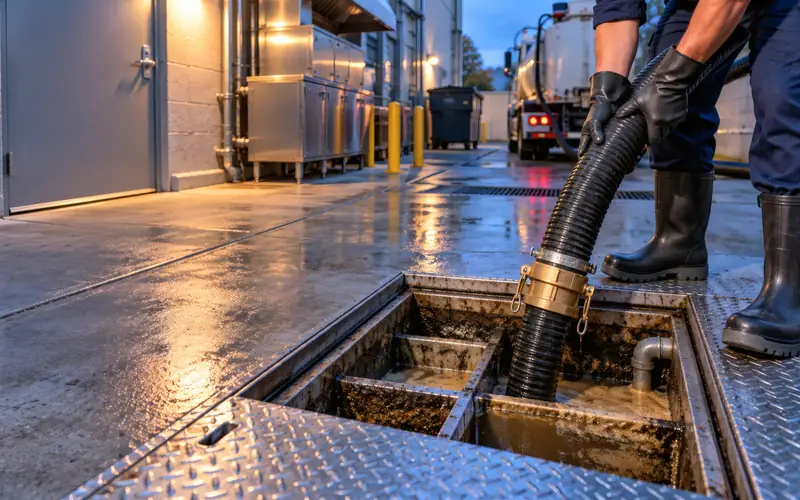
Grease Interceptor Pumping
Will settled solids come out along with the grease and wastewater? Ask when arranging grease interceptor pumping, because food material can collect at the bottom of the tank. Pumping generally removes those accumulated contents. Keep the service record with your kitchen’s maintenance paperwork.
What to Have Ready When You Call
A few details can help the service provider assess your needs and discuss the right appointment.
- Your service address and ZIP code.
- Whether you have an indoor grease trap or an outdoor interceptor.
- The unit’s size, if known.
- Approximately when it was last pumped.
- Any backup, odors, slow drainage, or inspection deadline.
- The number of units or locations needing service.
Share what you know. You do not need every detail before calling.
Local grease trap requirements
For your kitchen’s address, the city or sewer district typically determines grease trap maintenance requirements. Before choosing service dates, check with the office responsible for your address about required cleaning frequency, permits and records. File the hauler’s service record after each visit.
Nearby service areas
The same number reaches providers serving nearby areas. Businesses with more than one location can call once per site and enter each ZIP code.
Common grease trap questions
How often do View Park-Windsor Hills restaurants need grease trap pumping?
Pumping frequency varies with the trap's size, the food cooked and how much water flows through it. Requirements set locally also affect timing. Your sewer utility may also set a schedule or a fullness limit, so ask it before you settle on one. Discuss your kitchen's needs with a provider, who can suggest a schedule.
Do providers serving View Park-Windsor Hills handle in-ground interceptors?
Many do this work. Before calling to check availability, note whether the equipment is an in-ground interceptor or an indoor trap, along with its size if you have it.
Who will I be speaking to when I call?
After the ZIP-code prompt, you will speak with an independent service provider serving your area. You can discuss the work, confirm pricing and availability, and book directly with that company. This website helps connect callers with service providers; it does not perform the cleaning.